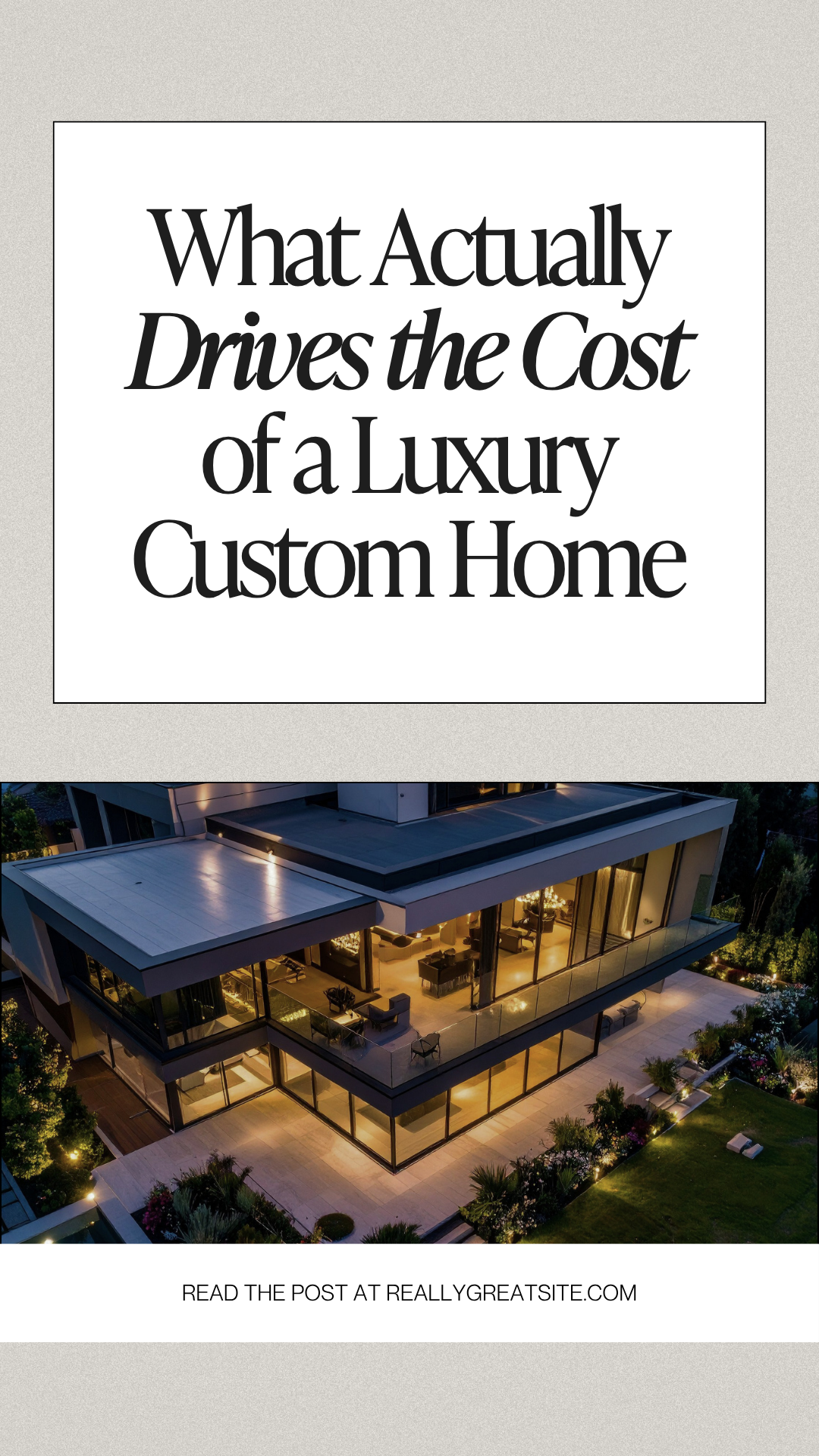
What Actually Drives the Cost of a Luxury Custom Home
Building a luxury custom home is a deeply personal investment — one that goes far beyond square footage or price per foot.
While many homeowners begin the process with a general budget in mind, understanding what actually drives the cost of a custom home can make all the difference in how smoothly (and successfully) the project unfolds.
Here’s a closer look at the key factors that influence the cost of a luxury custom home — and where thoughtful decisions can have the greatest impact.
1. Location and Site Conditions
The property itself plays a significant role in overall cost.
Factors such as:
lot size and topography
soil conditions
accessibility for construction
local zoning and permitting requirements
can all influence both timeline and budget.
For example, building on a flat, easily accessible lot is typically more straightforward than constructing on a hillside or waterfront property, which may require additional engineering, foundation work, or site preparation.
2. Architectural Design and Complexity
The more customized and detailed the design, the greater the investment.
Elements that can increase costs include:
unique architectural features
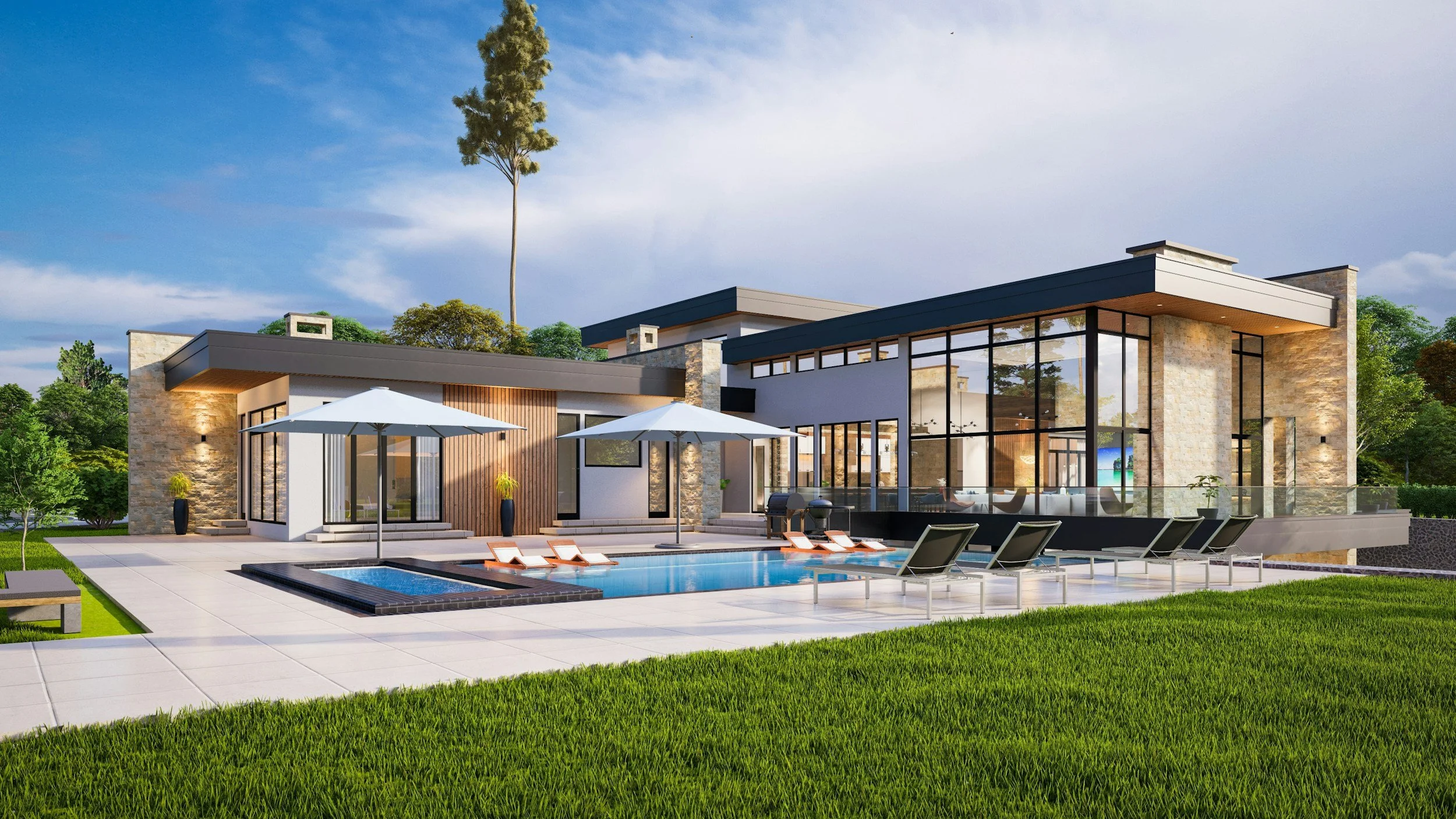
expansive glass or steel elements
custom layouts and non-standard dimensions
intricate rooflines or structural details
A thoughtfully designed home balances visual impact with structural efficiency — something an experienced builder and architect can help guide.
3. Quality of Materials and Finishes
Material selection is one of the most significant drivers of cost in a luxury home.
From flooring and cabinetry to countertops, fixtures, and millwork, the level of customization and quality chosen will directly impact the budget.
Luxury homes often feature:
natural stone and hardwoods
custom cabinetry and built-ins
high-end appliances
designer lighting and fixtures
These choices elevate the home — but also require careful planning to align with overall investment goals.
4. Size — But Not Just Square Footage
While size certainly affects cost, it’s not just about how large the home is — it’s about how the space is designed.
A smaller home with highly customized finishes and complex design details can often cost more per square foot than a larger, more straightforward layout.
Thoughtful space planning ensures every square foot is both functional and intentional.
5. Systems and Infrastructure
Behind the walls, a luxury home often includes advanced systems that enhance comfort, efficiency, and convenience.
These may include:
smart home automation
high-performance HVAC systems
energy-efficient construction methods
integrated audio/visual systems
While these elements may not always be visible, they play a significant role in both cost and long-term livability.
6. Outdoor Living and Landscaping
In many luxury homes, outdoor spaces are just as important as the interiors.
Features such as:
pools and spas
outdoor kitchens
covered patios and entertaining areas
landscaping and hardscaping
can represent a substantial portion of the overall budget.
Designing these elements alongside the home — rather than as an afterthought — creates a more cohesive result.
7. Timeline and Project Management
Time can also influence cost.
Delays, changes during construction, or extended timelines can increase expenses through:
labor costs
material price fluctuations
scheduling inefficiencies
Working with a builder who prioritizes organization, communication, and proactive planning helps keep the project on track.
The cost of a luxury custom home is shaped by a combination of design decisions, material selections, site conditions, and overall project planning.
Understanding these factors early in the process allows homeowners to make informed choices — balancing vision, functionality, and investment.
With the right team and a thoughtful approach, building a custom home becomes not just a financial investment, but a meaningful one — resulting in a space designed to reflect the way you live.